
Understanding Quotes vs Estimates: What’s the Difference?
When you’re running a business or hiring a supplier, you’ll often hear the terms quote and estimate used interchangeably. While they sound similar, they serve very different purposes and misunderstanding the difference can lead to confusion, unexpected costs or even disputes down the line.
Whether you’re a small business owner, freelancer, contractor or simply someone trying to make informed decisions, understanding quotes vs estimates helps you protect your budget, set clear expectations and build stronger working relationships.
This guide breaks down what each term means, when to use them and how to choose the right one for your situation.
What Is a Quote?
A quote (or quotation) is a fixed price for a specific piece of work. Once accepted, it becomes a binding agreement between you and the supplier. In most cases, the supplier must honour the quoted price, even if the job ends up taking longer or costing more than expected.
Key features of a quote:
- Fixed price – the amount won’t change once agreed
- Detailed breakdown – materials, labour, timelines and scope
- Legally binding once accepted
- Used for well‑defined work where the supplier knows exactly what’s involved
When to use a quote:
- You want price certainty
- The scope of work is clear and unlikely to change
- You’re comparing suppliers on like‑for‑like terms
- You need a formal document for approval or budgeting
Examples of when quotes are appropriate:
- Fitting kitchens, bathrooms or utility rooms based on agreed plans
- Laying flooring, tiling or carpeting in a measured area
- Building a garden wall, patio or driveway with confirmed dimensions
- Installing windows, doors or skylights with exact measurements
- Completing electrical rewiring or lighting installation for a specified number of rooms
- Painting and decorating work where surfaces and materials are fully assessed
A quote protects both sides: the client knows the cost upfront and the supplier knows exactly what they’re committing to.
What Is an Estimate?
An estimate is an educated guess of what a job might cost. It’s not fixed, not binding and can change as the project progresses. Estimates are useful when the supplier doesn’t yet have enough information to give a firm price.
Key features of an estimate:
- Approximate cost – not guaranteed
- Flexible – can increase or decrease
- Based on initial information
- Used for work with unknowns or evolving scope
When to use an estimate:
- You’re still exploring options
- The supplier needs to assess the job in more detail
- The scope is unclear or likely to change
- You want a ballpark figure before committing
Examples of when estimates are appropriate:
- Roof repairs when the full extent of damage isn’t visible until tiles or felt are removed
- Groundworks where soil conditions, drainage or utilities are unknown
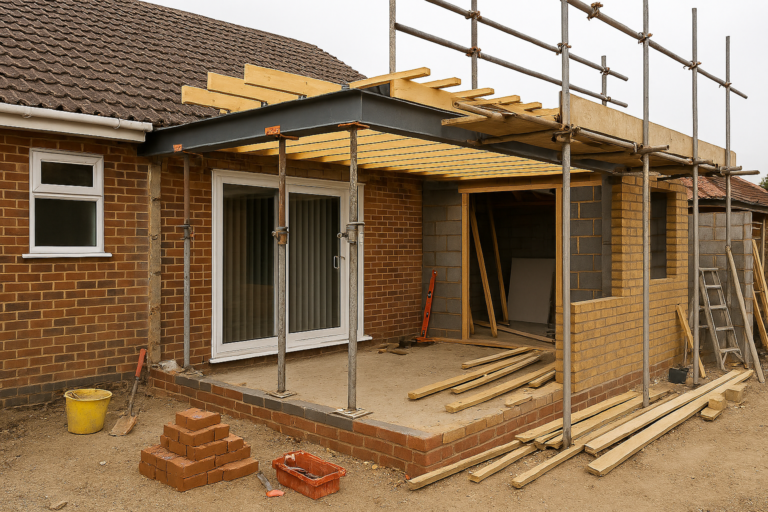
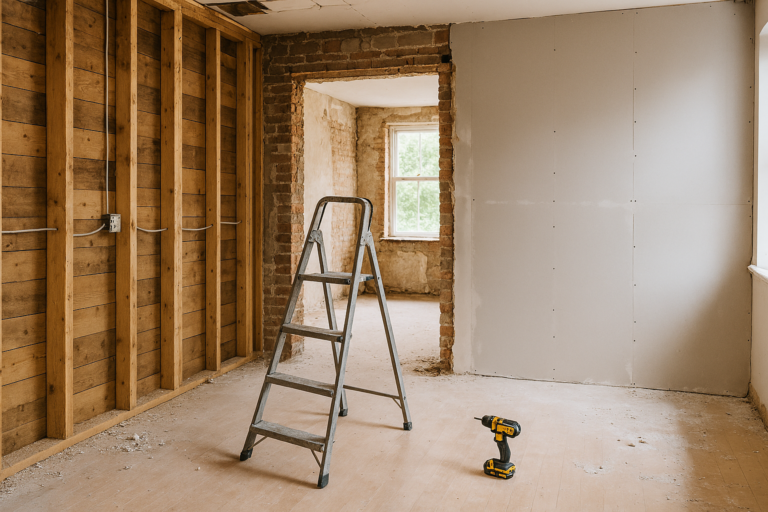
- Extensions or conversions where existing walls, wiring or plumbing need investigation
- Electrical fault‑finding or rewiring in older properties
- Plumbing issues where leaks or blockages require exploratory work
- Damp, mould or timber treatment where the spread isn’t clear until inspection
An estimate helps you understand potential costs without locking anyone into a final price too early.
Quotes vs Estimates: The Key Differences
| Feature | Quote | Estimate |
| Price | Fixed | Approximate |
| Flexibility | Low | High |
| Legally binding? | Yes (once accepted) | No |
| Best for | Clear, defined work | Unclear or evolving work |
| Risk level | Low for client | Shared between client and supplier |
Understanding these differences helps you choose the right approach and avoid misunderstandings.
How to Decide Whether You Need a Quote or an Estimate
Ask yourself:
1. Is the scope of work fully defined?
If yes → ask for a quote.
If no → start with an estimate.
2. Do you need price certainty?
If your budget is fixed, a quote gives you clarity.
3. Is the supplier able to assess the job properly?
If they need more information or a site visit, an estimate is more realistic.
4. Are you comparing multiple suppliers?
Quotes allow for fair comparison because the price is fixed.
Why the Difference Matters
Misunderstanding quotes vs estimates can lead to:
- Unexpected costs
- Disputes over scope
- Delays in approval
- Damaged client‑supplier relationships
Clear communication upfront saves time, money and stress.
Tips for Clients and Suppliers
For clients:
- Ask whether the price is a quote or an estimate
- Request a written breakdown
- Clarify what’s included and what isn’t
- Confirm how changes will be handled
For suppliers:
- Use estimates when information is incomplete
- Only issue quotes when confident in the scope
- Put everything in writing
Be clear about assumptions and exclusions.
If you’ve been inspired by the article and would like to see how we can bring your own project to life, we’d be delighted to help. Whether you’re planning a renovation, a new build or a bespoke commission, our team is ready to provide clear guidance and competitive pricing. If you’re interested in a no obligation quote, please contact us today we’d love to discuss your vision and how we can make it a reality.